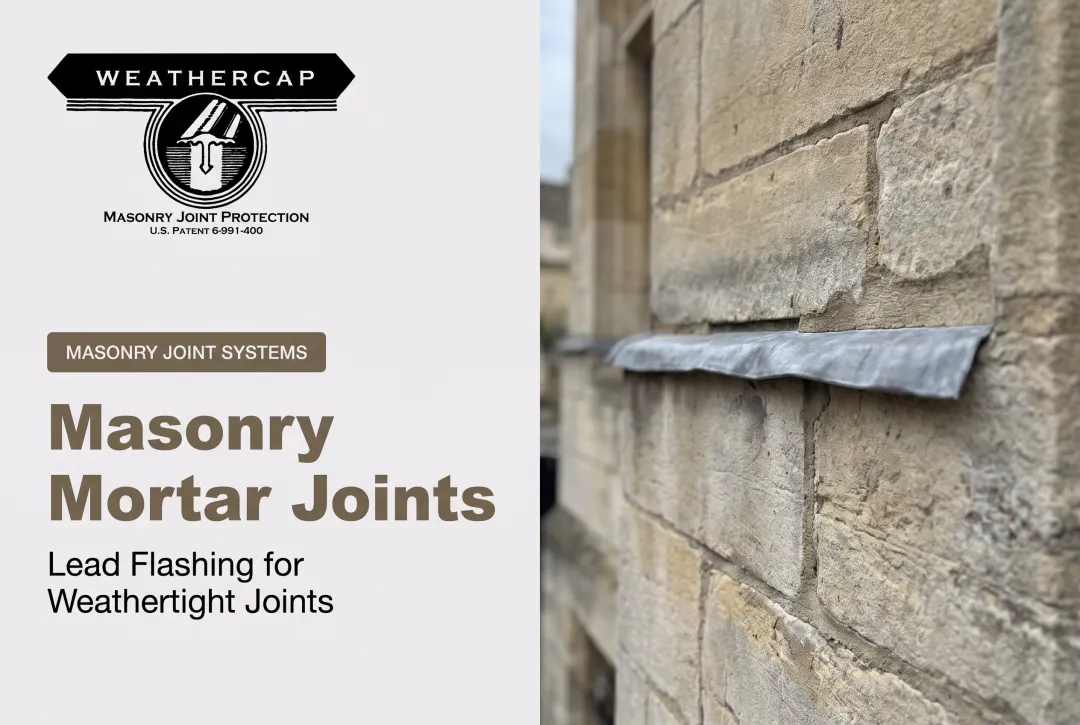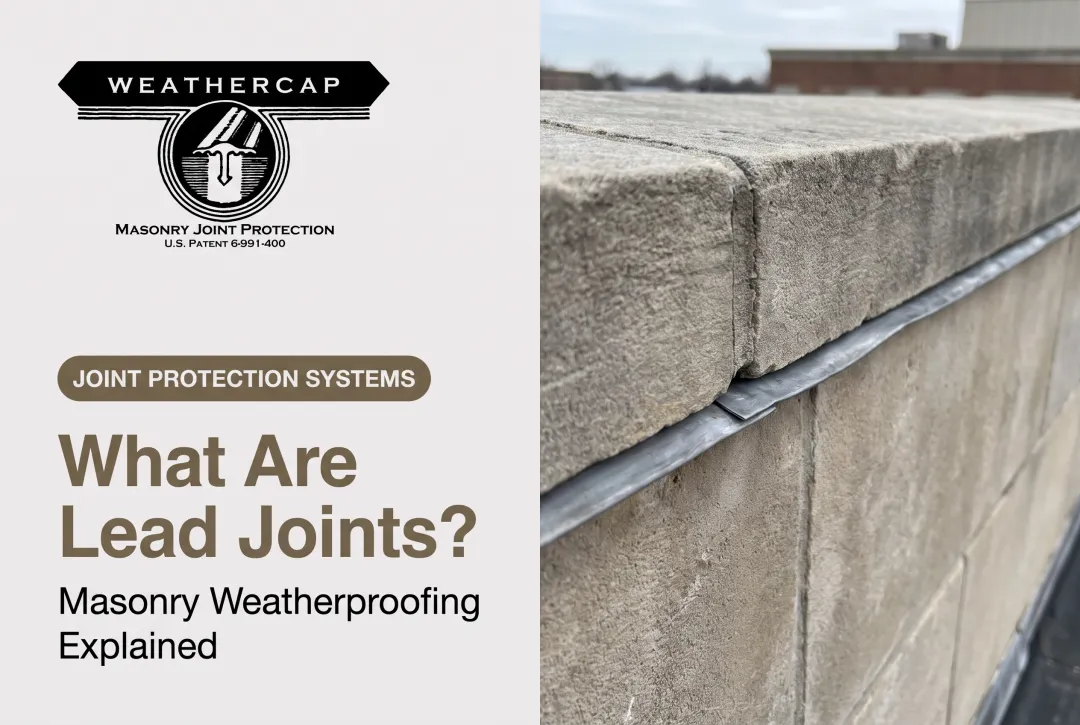

A crumbling paint chip and a sealed lead flashing strip installed by a trained mason are both technically "lead products," but they carry very different risks. This guide covers where lead commonly turns up in consumer goods and food, who faces the highest health risks, how to cut your exposure, and why professionally engineered lead systems used in construction belong in a category of their own.
Key Takeaways
- Common sources include old paint, plumbing, ceramics, imported candies and spices, folk remedies, and some jewelry or toys
- Children and pregnant women face the highest risk, mainly through household dust, soil, and ingestion
- Testing your home and water, plus basic hygiene and diet changes, meaningfully lowers exposure
- Sealed, professionally installed lead (such as restoration masonry flashing) is a different risk category than friable or ingestible consumer lead
What Is Lead and Why Does It Matter?
Lead is a naturally occurring heavy metal, mined for centuries because it's soft, dense, and resistant to corrosion. Ancient Romans ran water through lead pipes. More recently, manufacturers relied on it in paint, gasoline, and plumbing for the same reasons.
That durability made lead useful. It also makes lead dangerous once it ends up somewhere it shouldn't—like a child's bloodstream.
Once researchers linked lead to widespread neurological harm, regulators phased it out of everyday products over several decades:
| Year | Regulation | What Changed |
|---|---|---|
| 1978 | CPSC paint rule | Cut permissible lead in most consumer paints from 0.5% to 0.06% by weight, covering paint plus coated toys and furniture (CPSC, 1977) |
| 1986 | Safe Drinking Water Act Amendments | Restricted "lead-free" plumbing to 0.2% lead in solder/flux and 8% in pipes and fittings |
| 1996 | EPA gasoline phaseout | Banned leaded gasoline for on-road vehicles, with exceptions for aircraft, racing, farm, and marine engines |
These milestones explain why age and origin are such strong predictors of risk. A building finished before 1978 and one finished today present very different lead profiles, even on the same block.
Risk depends less on whether something "contains lead" and more on whether that lead is friable, dust-forming, or ingestible versus solid, sealed, and encapsulated. A flaking paint chip and a lead strip buried inside a sealed masonry joint aren't the same hazard. We'll return to that distinction later.
Common Consumer Products That Contain Lead
Lead turns up in more household categories than paint alone. Some of these products haven't been legal for decades; others are still sold today, often imported from countries with looser regulations.
- Older paint and painted items: Homes, toys, and furniture painted before 1978 remain the main source. Intact paint is low-risk, but chipping or sanding creates dust that settles where children crawl and play.
- Plumbing and drinking water fixtures: Lead solder, brass faucets, and older service lines can leach lead into tap water, especially overnight. Even without a lead service line, older brass or galvanized fittings can still contaminate water.
- Ceramics, china, crystal, and pewter: Lead glazes on imported or handmade pottery can leach into food and drink, particularly acidic items like tomato sauce or wine. Storing alcohol in lead crystal for long periods is a documented risk.
- Children's jewelry, toys, and cosmetics: Inexpensive imported jewelry and toys painted before 2009 appear repeatedly in recalls. Traditional cosmetics like kohl and surma can contain lead levels exceeding half the product's weight.
- Traditional folk medicines: Products such as azarcon and greta have tested as high as 90% lead by weight. Certain imported Ayurvedic remedies have raised similar concerns.
- Miscellaneous everyday items: Car batteries, fishing sinkers, ammunition, and some imported vinyl mini-blinds are mostly low-risk in normal use, but hazardous if melted, chewed, or left to degrade indoors.

Foods and Everyday Items High in Lead
Lead doesn't just come from products you touch. It can end up on your plate. It enters the food supply through contaminated soil and irrigation water, lead solder in older imported canned goods, and contamination introduced during drying or grinding.
Candies, Spices, and Imported Foods
FDA testing on Mexican candy products found that chili-containing products often exceeded the agency's recommended maximum for lead in candy frequently eaten by small children. Spices showed a similar pattern.
A North Carolina investigation examined 386 spice and remedy samples collected from homes of children with elevated blood lead levels. Nearly 29% contained at least 1 mg/kg of lead, with turmeric averaging the highest levels among edible products at 66 mg/kg (CDC MMWR, 2018).
Those samples came from higher-risk households rather than random retail shelves, but they still show why sourcing matters.
Produce, Game Meat, and Practical Fixes
Root vegetables absorb more lead from soil than fruiting crops. That matters for gardens near old house foundations, busy roadways, or former industrial sites.
Hunters face a related risk: testing has found lead fragments in all 30 rifle-killed deer carcasses examined in one study, and roughly a third of ground venison packages contained at least one fragment.

Simple steps that lower dietary exposure:
- Wash produce thoroughly, including anything from a home garden
- Buy spices and imported candies from established retailers with import testing records
- Use filtered, cold tap water for cooking and drinking
- If you hunt, consider non-lead ammunition or trim generously around the wound channel
Health Risks and How to Reduce Your Exposure
Health Risks of Lead Exposure
Lead is a cumulative toxicant. On masonry jobs, the main pathways are hand-to-mouth contact after handling strip and inhaling dust if the metal is ground, sanded, or melted. According to the World Health Organization, no level of lead exposure has been identified as free of harmful effects (WHO, 2023).
Long-term exposure is linked to high blood pressure, cardiovascular damage, and kidney problems. Pregnant workers face added risk: lead stored in bone can re-enter the blood and reach the fetus, with ties to reduced fetal growth and preterm birth.
The CDC blood lead reference value (3.5 µg/dL) is a screening benchmark, not a “safe” floor. OSHA sets separate occupational limits and medical-surveillance rules when workers have ongoing lead exposure.
How to Reduce Your Risk
Weathercap lead strip is a finished product for joint protection, not something to melt or machine on site. A few installer habits keep exposure low:
- Wear gloves when handling strip; wash hands before eating, drinking, or smoking
- Do not dry-sand, grind, torch, or melt lead products (dust and fumes drive inhalation risk)
- Keep food, drinks, and tobacco out of the work area
- Wet-wipe tools and surfaces instead of dry-sweeping lead dust
- Store unused lengths in labeled containers away from break areas and living spaces
- Follow your employer’s lead-safety program and applicable OSHA requirements
If exposure is frequent or a concern arises, blood lead testing is straightforward. An occupational health clinician can order the test and advise on next steps.
Industrial and Architectural-Grade Lead Products: A Different Category
Not all lead carries the same risk profile as flaking paint or a contaminated spice jar. Professional-grade lead used in construction and historic restoration is typically solid, encapsulated, and engineered for structural performance, not for handling or ingestion.
Lead has real, documented roles in modern building work:
- Roofing flashing and terne-coated steel
- Radiation shielding in hospital X-ray suites
- Masonry joint protection at copings, parapets, and cornices
Exposed lead sheet doesn't stay bare metal for long. It reacts with carbon dioxide in rainwater to form a stable lead-carbonate patina, a dull grey layer that limits further surface exposure.
WEATHERCAP®: A Case Study in Encapsulated Lead
Weathercap®, based in Slidell, Louisiana, manufactures a patented soft lead strip system (U.S. Patent 6991400) that restoration masonry contractors install inside sealed joints to stop water intrusion caused by building movement. The strip is made from 99.9% pure lead, classified as Chemical Grade and Corroding Grade material.
What separates this from the consumer lead risks covered earlier:
- Set wholly in sealant so the anchor shaft and grooved underside never contact mortar, masonry, or backer rod
- Separated from the backer rod by at least a 1/4-inch sealant buffer
- Oxidizes rapidly on the exposed top to a dead neutral grey; can be painted to match surrounding masonry
- Installed by trained masonry professionals, not handled loosely on a jobsite
WEATHERCAP® is specified by name in the GSA's Historic Preservation Technical Procedures (Document 07656-01). It has been installed on the Washington Monument, the U.S. Supreme Court, the Smithsonian Institution, the U.S. Treasury Building, and more than two dozen other federally significant structures.

Contractors handling the raw strip before installation still follow standard lead-safety practice: heavy gloves and thorough handwashing. Once installed, the strip stays mechanically locked inside a continuous sealant envelope for the life of the joint—the same encapsulation-versus-friability distinction covered earlier, applied in a real load-bearing setting.
Frequently Asked Questions
What products are made with lead?
Paint made before 1978, plumbing solder and brass fixtures, lead-glazed ceramics, some imported jewelry and toys, car batteries, and ammunition all commonly contain lead. Age and country of origin are the biggest risk indicators.
What foods are high in lead?
Imported candies and spices, especially chili-based candy and turmeric, have shown elevated lead in FDA and CDC testing. Root vegetables grown in contaminated soil and game meat harvested with lead ammunition carry similar risks.
Is all lead exposure equally dangerous?
No. Risk depends on bioavailability: friable, dust-forming, or ingestible lead poses a direct exposure route, while sealed, encapsulated industrial-grade lead does not readily enter the body.
How can I tell if a product in my home contains lead?
Certified lab testing is the only reliable method. Check manufacture dates and import origin as red flags, and treat at-home swab kits as a screening tool, not a definitive answer.
Are lead products used in construction and historic restoration safe?
Professionally installed, encapsulated systems like WEATHERCAP® carry minimal exposure risk because the lead is sealed within the joint and specified under federal preservation standards.
What should I do if I suspect lead exposure in my child?
Contact your pediatrician for a blood lead test (recommended at 12 and 24 months regardless of suspected exposure) and address any identified sources at home right away.